
なまこの豆知識
瀬戸内の海でなまこを扱い続けて50年。漁師であり加工業者でもある森海産物が、なまこのことを少しお話しします。
なまこの歴史
なまこは、東アジアでは古くから珍重されてきた食材です。中国では「海参(ハイシェン)」と呼ばれ、文字通り「海の朝鮮人参」として扱われてきました。日本でも古事記や万葉集にその記述があり、奈良時代にはすでに食されていたとされます。
中国宮廷の食卓で
明や清の時代、なまこは宮廷料理の中でも特に格の高い食材でした。皇帝の食事や、地方からの献上品として欠かせない一品で、滋養強壮の薬膳としても重用されていました。万暦帝や康煕帝が好んで食したという記録も残っています。
江戸時代の「俵物三品」
江戸時代、日本の干しなまこ(いりこ)は、フカヒレ・干しアワビと並ぶ「俵物三品」のひとつとして中国に輸出されていました。当時の日本にとって、銀を得るための数少ない交易品。鎖国下の貴重な外貨獲得手段だったのです。
おいしい食べ方
なまこは独特の食感が魅力ですが、下処理にひと手間かけるだけで、ぐっと食べやすくなります。当社が日頃お客様におすすめしている、漁師直伝の方法をご紹介します。
湯通しの3ステップ
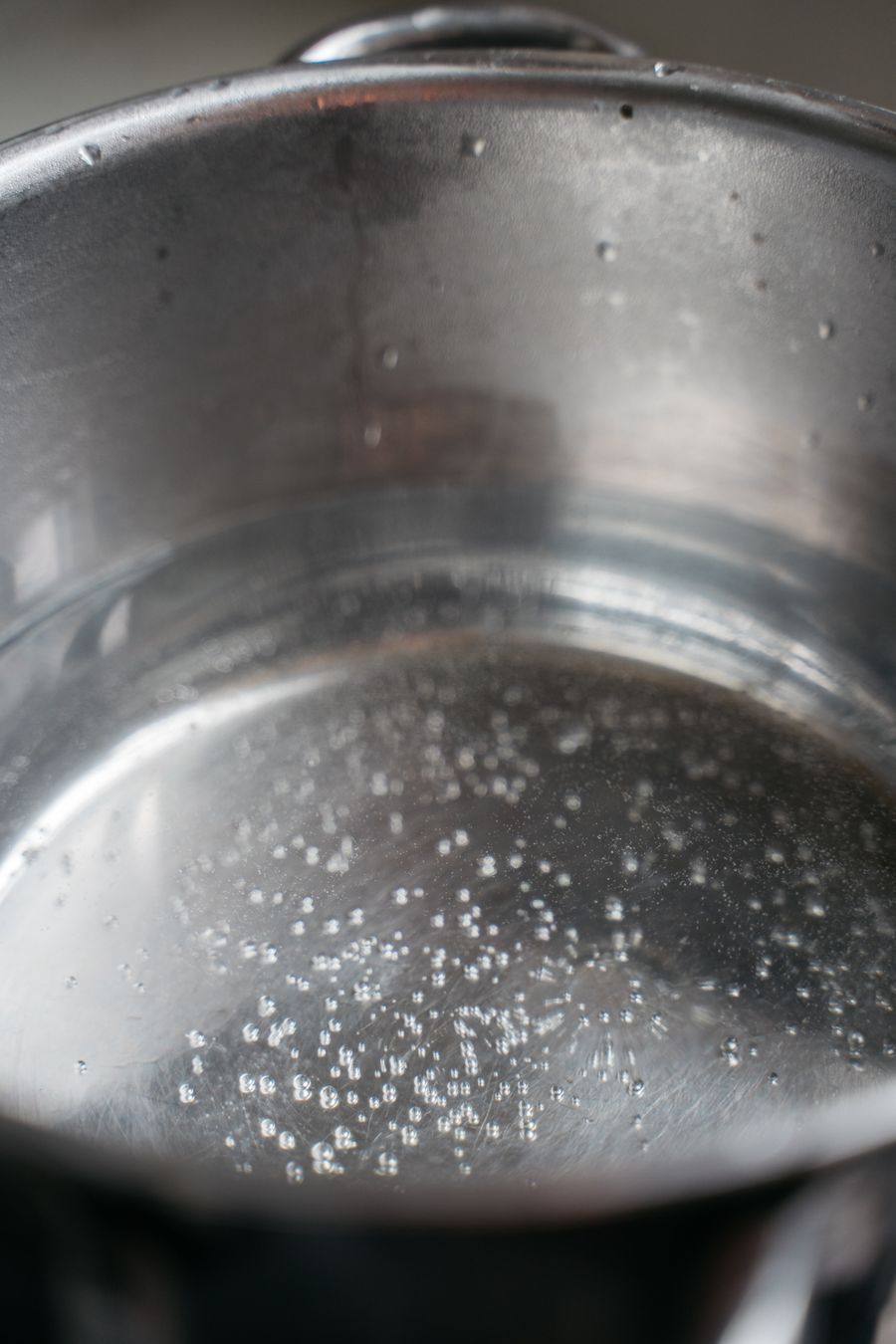
サッと湯通し
70℃ほどのお湯か、ほうじ茶に5〜10秒ほど。沸騰したお湯だと身が縮むので、温度には注意してください。
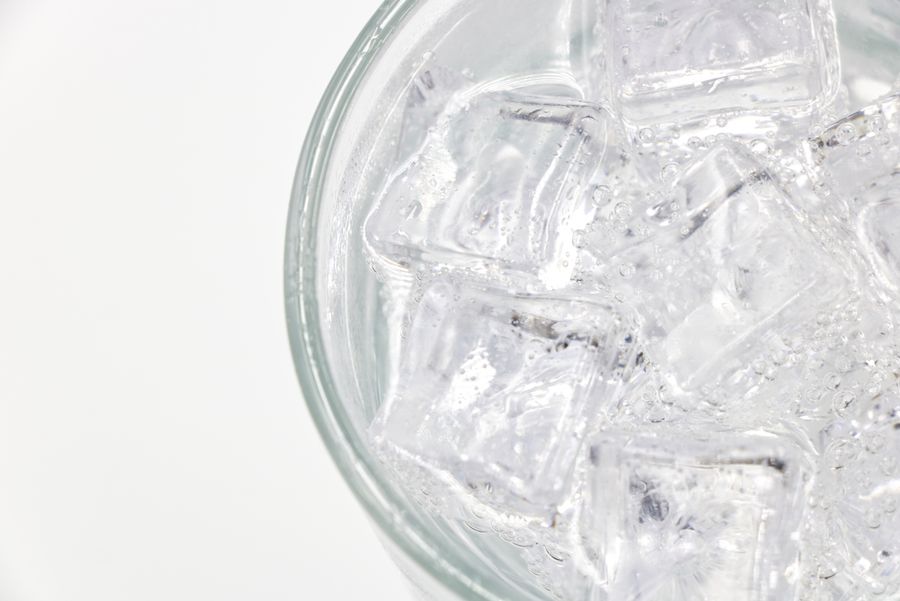
冷水で締める
すぐに氷水へ。この温度差が、コリコリとした食感を引き出します。
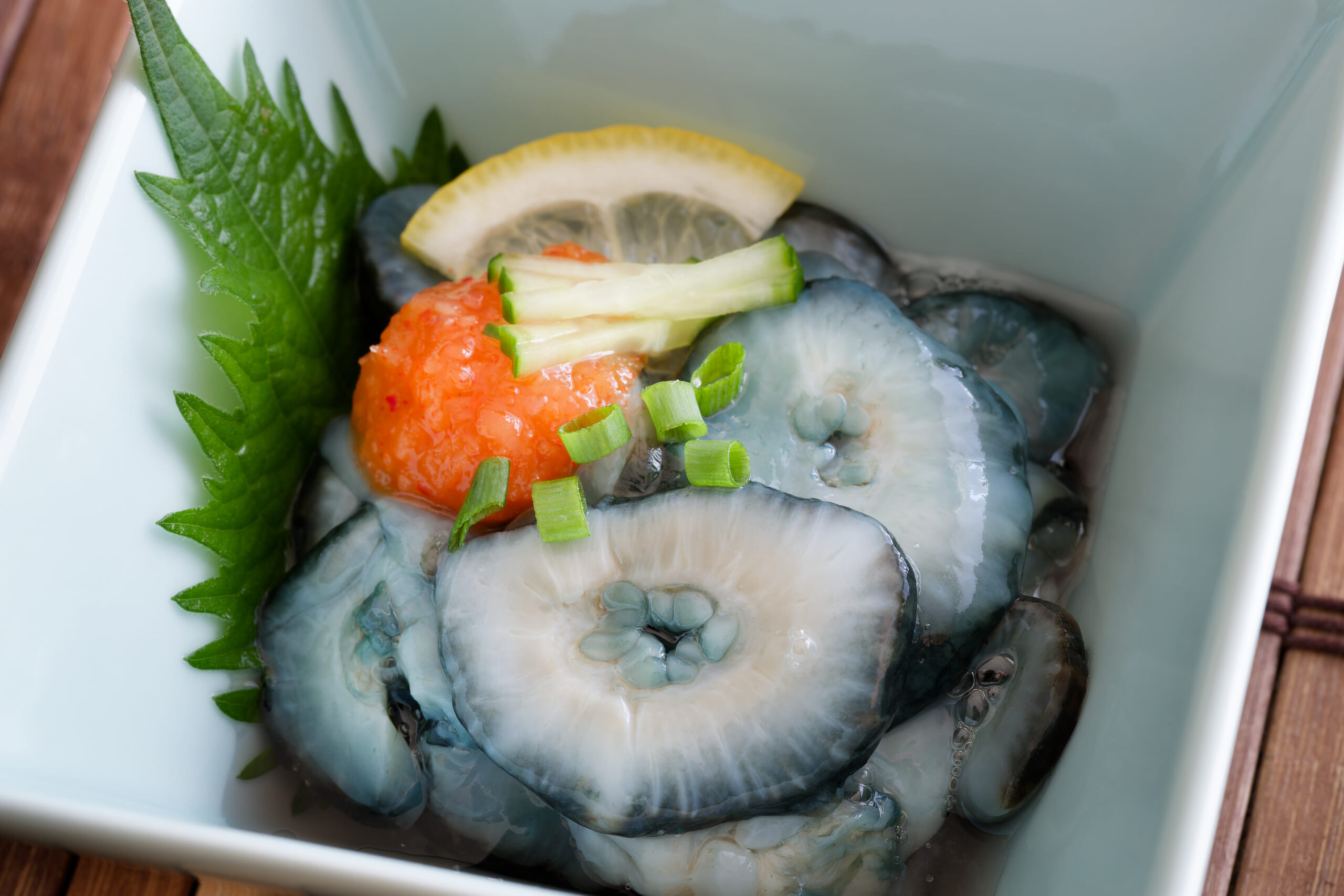
お好みで味付け
定番は大根おろしとポン酢。ゆずを少し搾ると、より香り高く仕上がります。酢の物にしてもおいしいです。
瀬戸内なまこの特徴
瀬戸内海は外洋に比べて波が穏やかで、水温も比較的安定しています。この環境が、なまこの身質に大きく影響します。当社が扱う瀬戸内産には、こんな特長があります。
栄養と成分について
なまこは低カロリー・高タンパクで、ミネラルやコラーゲンも豊富。なかには、なまこにしか含まれない希少な成分もあり、世界中で研究が進んでいます。
※数値は生なまこ100gあたりの一般的な値です。
ご注意
- 本ページの情報は一般的な知識の紹介を目的としたものです。
- 特定の成分の効能・効果を示唆または保証するものではありません。
- 体調に不安のある方は医師にご相談ください。
参考文献
- Liu G, et al. Frontiers in Oncology 2023;13:1307838.
- Al Marzouqi N, et al. Eur J Pharmacol 2011;668:25-34.
- Ma X, et al. Breast Cancer Res Treat 2012;132:1001-1008.
Sea Cucumber Guide
For 50 years, Mori Seafood has worked with sea cucumber in the Setouchi region. Here is what we have learned.
History
Sea cucumber has been prized across East Asia for centuries. In China it was known as "Hai-Shen", meaning "ginseng of the sea". In Japan, sea cucumber appears in the Kojiki and Manyoshu, dating its use to the Nara period.
Imperial Chinese Cuisine
During the Ming and Qing dynasties, sea cucumber held the highest rank in court cuisine. Served at imperial banquets and prized as a tribute item, it was used as a medicinal tonic. Emperors Wanli and Kangxi were known to favor it.
The Three Treasures of Edo Japan
In the Edo period, dried sea cucumber was one of the "Three Tawaramono Treasures" alongside shark fin and dried abalone, exported to China. It was a key trade commodity for acquiring silver during Japan's isolationist era.
How to Enjoy
Sea cucumber's unique texture is its appeal. With a little preparation, it becomes remarkably easy to enjoy. Here is the fisherman's method we recommend.
Blanching in 3 Steps
Quick Blanch
Dip in 70°C water or roasted green tea for 5-10 seconds. Avoid boiling water, which causes the flesh to shrink.
Ice Bath
Move immediately to ice water. This temperature contrast creates the signature springy texture.
Season to Taste
The classic pairing is grated daikon with ponzu. A squeeze of yuzu adds wonderful aroma. Also excellent as sunomono.
Setouchi Sea Cucumber
The Seto Inland Sea has gentler waves and more stable water temperatures than the open ocean. This environment significantly shapes the quality of our sea cucumber.
Nutrition
Sea cucumber is low in calories yet high in protein, rich in minerals and collagen. It also contains rare compounds found in no other food, attracting global research interest.
*Typical values per 100g of raw sea cucumber.
Disclaimer
- For general educational purposes only.
- Does not imply or guarantee specific health effects.
- Please consult a physician if you have health concerns.
References
- Liu G, et al. Frontiers in Oncology 2023;13:1307838.
- Al Marzouqi N, et al. Eur J Pharmacol 2011;668:25-34.
- Ma X, et al. Breast Cancer Res Treat 2012;132:1001-1008.
海参小知识
在濑户内海经营海参50年的森海产物,为您介绍海参的历史、吃法与营养。
海参的历史
海参在东亚自古就是珍贵食材。在中国被称为"海参",意为"海中人参"。在日本,《古事记》《万叶集》中已有记载,奈良时代便已食用。
中国宫廷的食材
明清时期,海参是宫廷料理中地位极高的食材。在皇帝御膳和地方贡品中不可或缺,亦被用作滋补药膳。万历帝和康熙帝都尤为喜爱。
江户时代的"俵物三品"
江户时代,日本干海参与鱼翅、干鲍并称"俵物三品",出口至中国。是锁国时期日本获取白银的重要贸易物资。
美味吃法
海参的独特口感是其魅力所在。只需简单预处理,便能大幅提升食用体验。以下是我们日常推荐的渔师传授吃法。
焯水三步法
快速焯水
在约70°C的热水或焙茶中浸泡5-10秒。请避免沸水,否则会导致肉质收缩。
冰水冷却
立即放入冰水中。这种温差正是产生弹牙口感的关键。
按喜好调味
萝卜泥配橙醋是经典搭配。加一点柚子汁更添清香。做成醋渍小菜也十分美味。
濑户内海参的特色
濑户内海与外洋相比波浪平缓,水温也相对稳定。这样的环境对海参的肉质产生了显著影响。
营养与成分
海参热量低、蛋白质丰富,同时富含矿物质和胶原蛋白。其中还包含仅存在于海参中的稀有成分,正受到全球研究人员的关注。
※数值为每100克生海参的一般参考值。
注意事项
- 本页面信息仅供一般知识介绍。
- 不暗示或保证特定成分的功效。
- 如有健康疑虑,请咨询医生。
参考文献
- Liu G, et al. Frontiers in Oncology 2023;13:1307838.
- Al Marzouqi N, et al. Eur J Pharmacol 2011;668:25-34.
- Ma X, et al. Breast Cancer Res Treat 2012;132:1001-1008.